
Businesses in today's digital world are always looking for new and inventive ways to simplify their processes, improve the experience they provide for their customers, and maintain a competitive advantage over their rivals. The mobile card payment terminal is one example of a solution that has achieved significant acceptance in recent years. But what are the benefits of mobile card payment terminals, and why are businesses embracing this technology? In this comprehensive guide, we'll delve into the advantages of mobile card payment terminals, exploring how they empower businesses and revolutionise payment processing.
Understanding Mobile Card Payment Terminals
Before we dive into the benefits, let's first define what a mobile card payment terminal is. A mobile card payment terminal is a portable device that enables businesses to accept card payments anywhere, anytime, using a smartphone or tablet as a point-of-sale (POS) system. These terminals connect to mobile devices via Bluetooth or Wi-Fi, allowing for seamless payment processing on-the-go.
Benefits of Mobile Card Payment Terminals
The benefits of mobile card payment terminal are:
Enhanced Mobility:
One of the primary benefits of mobile card payment terminals is their mobility. Unlike traditional countertop terminals that are tethered to a fixed location, mobile terminals allow businesses to accept payments anywhere, whether it's at a trade show, outdoor event, or customer's doorstep. This flexibility enables businesses to expand their reach and capture sales opportunities beyond their physical location.
Convenience for Customers:
Customers benefit from the convenience that mobile card payment terminals provide by allowing them to make payments using the payment method of their choice, which may include a credit card, a debit card, or a mobile wallet. With the ability to accept payments on-the-spot, businesses can provide a seamless checkout experience, reduce wait times, and improve customer satisfaction.
Faster Transactions:
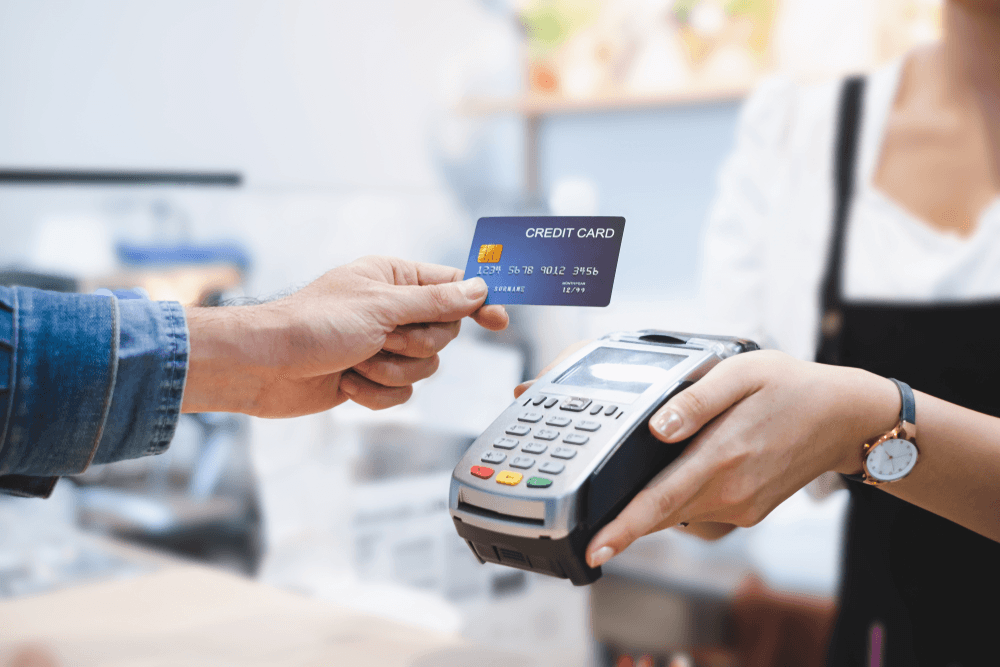
Mobile card payment terminals facilitate faster transactions compared to traditional payment methods, such as cash or checks. With close technology and contactless payments, customers can simply wave or tap their card or mobile device to complete the transaction, reducing the time spent at the checkout counter and increasing efficiency for both businesses and customers.
Increased Sales Opportunities:
By accepting card payments on-the-go, businesses can capitalise on sales opportunities that may have been missed otherwise. Whether it's upselling products at a pop-up event or accepting payments for services rendered on-site, mobile card payment terminals enable businesses to close sales quickly and effortlessly, ultimately driving revenue growth.
Streamlined Operations:
Mobile card payment terminals streamline payment processing and back-office operations by eliminating the need for manual entry of transactions and reconciliation of cash payments. With real-time reporting and integration with accounting software, businesses can track sales, manage inventory, and reconcile transactions more efficiently, saving time and reducing errors.
Cost-Effectiveness:
Compared to traditional POS systems, mobile card payment terminals are often more cost-effective to implement and maintain. With no upfront hardware costs and flexible pricing plans, businesses can reduce their initial investment and pay only for the services they need, making mobile card payment terminals an attractive option for startups and small businesses with limited budgets.
Conclusion
In conclusion, mobile card payment terminals offer numerous benefits for businesses, including enhanced mobility, convenience for customers, faster transactions, increased sales opportunities, streamlined operations, and cost-effectiveness. By embracing this technology, businesses can expand their reach, improve efficiency, and provide a seamless checkout experience for their customers. Whether you're a small business owner or a large enterprise, investing in a mobile card payment terminal can help you stay competitive in today's rapidly evolving marketplace.